


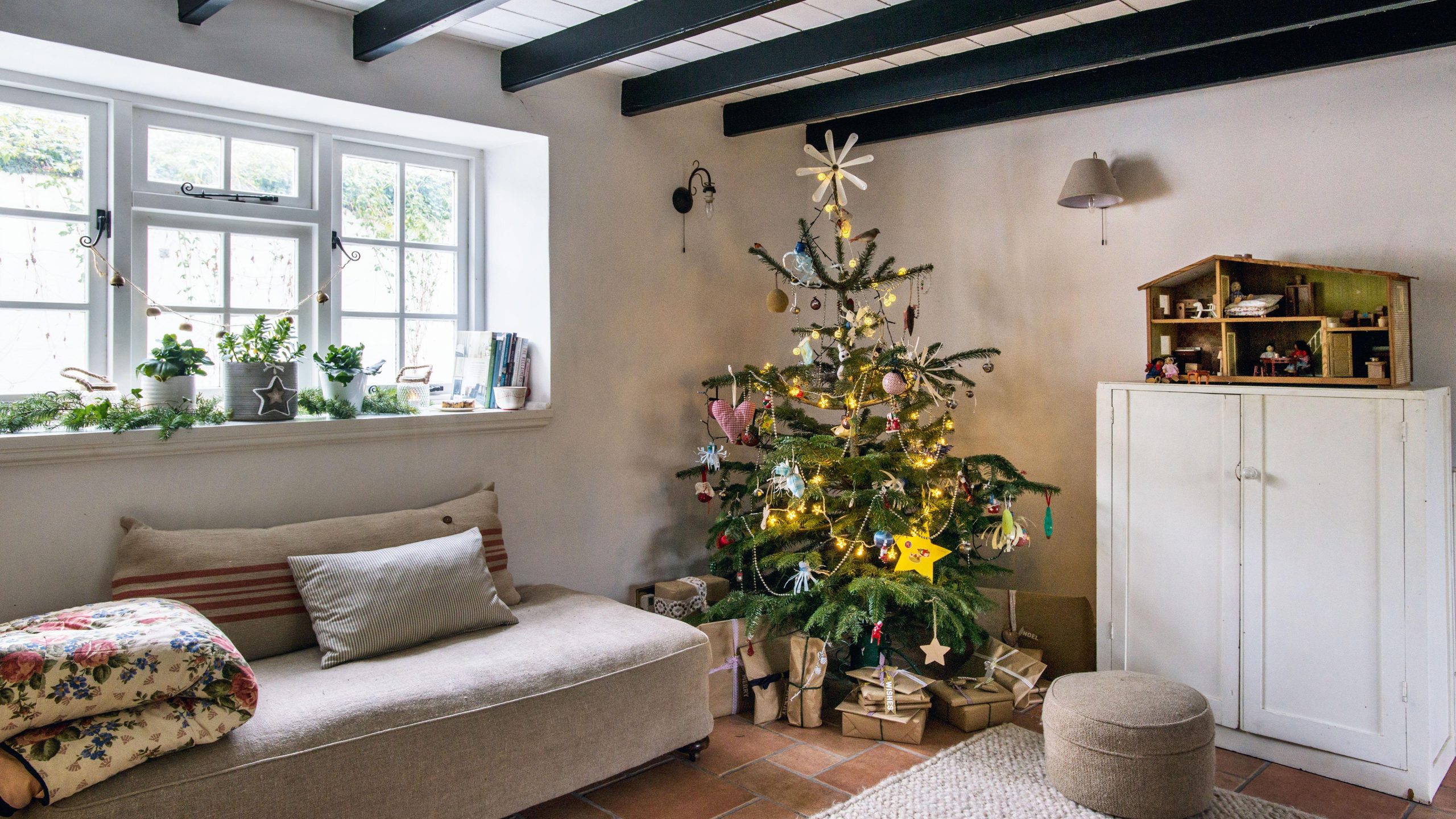
Preparing your home for Christmas on a budget does not mean compromising on comfort or festive traditions. With December approaching, households across the UK are beginning to organise decorations, plan festive meals and prepare for visiting relatives.
Between seasonal purchases, additional groceries and winter energy bills, the cost of getting ready can quickly increase. However, thoughtful planning and better use of existing household items can help create a welcoming festive atmosphere without unnecessary spending.
Preparing your home for Christmas on a budget
Before purchasing new decorations, take time to look through items stored away from previous Christmas celebrations. Many households already have ornaments, lights, ribbons and decorative accessories that can be reused in different ways.
Changing the arrangement of existing decorations can give rooms a fresh appearance without additional expense. Glass jars can become simple table centrepieces, while spare ribbons can be used to decorate wreaths, door handles or gifts.
For families with children, making paper decorations can provide an inexpensive weekend activity during the run-up to Christmas.
It is also worth checking the condition of existing Christmas lights before buying replacements. Damaged electrical decorations should not be used, while those in good working condition can continue to serve their purpose.
Make space before putting up decorations
Preparing a home for the festive season becomes easier when frequently used rooms are organised first. Living rooms, hallways and dining areas are sensible places to start, particularly for households expecting visitors.
Clearing unnecessary items from shelves and surfaces creates space for decorations without making rooms feel overcrowded. Rearranging furniture may also provide additional seating and improve movement around smaller living areas.
Following a 15-minute evening reset routine can help households keep their living spaces organised throughout the festive season.
Taking time to declutter your wardrobe before winter can also free up valuable storage space for guests and winter clothing.
Rather than attempting to organise the entire property over one weekend, households can divide preparations into smaller tasks throughout December.
Keep festive spending under control
Celebrating Christmas on a budget becomes easier when households plan their purchases in advance and avoid unnecessary seasonal spending.
Christmas expenses extend beyond presents and decorations. Additional groceries, travel, heating and entertaining visitors can all contribute to higher household costs.
Creating a simple spending plan before December begins can help distinguish essential purchases from optional extras. Checking existing supplies before shopping may also prevent duplicate purchases.
Seasonal promotions can make unnecessary items appear attractive, particularly when retailers advertise limited-time discounts. A shopping list and a predetermined spending limit can help households make more considered decisions.
Setting aside a small amount for unexpected expenses can also provide additional flexibility during the festive period.
How to host Christmas on a budget
Welcoming friends and relatives over Christmas does not mean guest rooms need to be completely redesigned.
Fresh bedding, clean towels, adequate lighting and a comfortable sleeping arrangement are often enough to make guests feel at home.
Preparing these essentials ahead of time allows households to identify anything genuinely missing rather than making rushed purchases shortly before visitors arrive.
In smaller properties, clearing a drawer or providing space for luggage can also make overnight stays more comfortable.
Shared areas, particularly bathrooms and kitchens, may benefit from additional organisation before guests arrive. A practical Sunday reset routine can help households manage cleaning and preparation without leaving everything until Christmas Eve.
For households hosting larger gatherings, discussing shared responsibilities in advance can reduce both spending and preparation time.
Plan festive meals before visiting the supermarket
Food shopping can become one of the more expensive elements of Christmas preparation, especially when households are catering for several people.
Checking cupboards, refrigerators and freezers before creating a shopping list can help prevent unnecessary purchases. Confirming guest numbers early also makes it easier to estimate the quantities required.
Meals can be planned around ingredients already available at home, with additional purchases made closer to the date where appropriate.
Preparing a plan for leftover festive ingredients can help households reduce food waste while making their Christmas shopping budget stretch further. Leftovers should be stored safely and used within appropriate food safety limits.
Sharing responsibility for festive meals can also make hosting more affordable. Guests may be happy to contribute desserts, drinks or side dishes rather than leaving one household to provide everything.
Manage household energy costs during December
Christmas coincides with a period when many households spend more time indoors and rely on heating and lighting.
Decorative lighting can contribute to additional electricity consumption when left running unnecessarily. Switching lights off when rooms are empty and using timers can help manage their operating hours.
Energy-efficient LED decorations are worth considering when older lights genuinely need replacing.
Households can also refer to Lifeinism’s home maintenance checklist for practical ways to prepare their properties for colder weather.
Comfort and safety should remain priorities throughout winter. Decorations should be kept away from heaters, candles should never be left unattended and household heating should be maintained at safe, comfortable levels.
Create a comfortable home rather than a perfect one
Festive advertising and social media can create pressure to purchase new decorations or completely transform living spaces before Christmas.
In reality, a welcoming home can be created through relatively simple changes. Familiar decorations, comfortable seating, warm lighting and a well-organised dining area can make everyday spaces feel festive.
Making preparations gradually also leaves more time for activities that do not require significant spending, such as watching Christmas films, preparing meals together or visiting local festive events.
Enjoying Christmas on a budget is about prioritising comfort, family time and shared experiences rather than unnecessary purchases. Preparing gradually throughout December can make the festive season more enjoyable and financially manageable.