


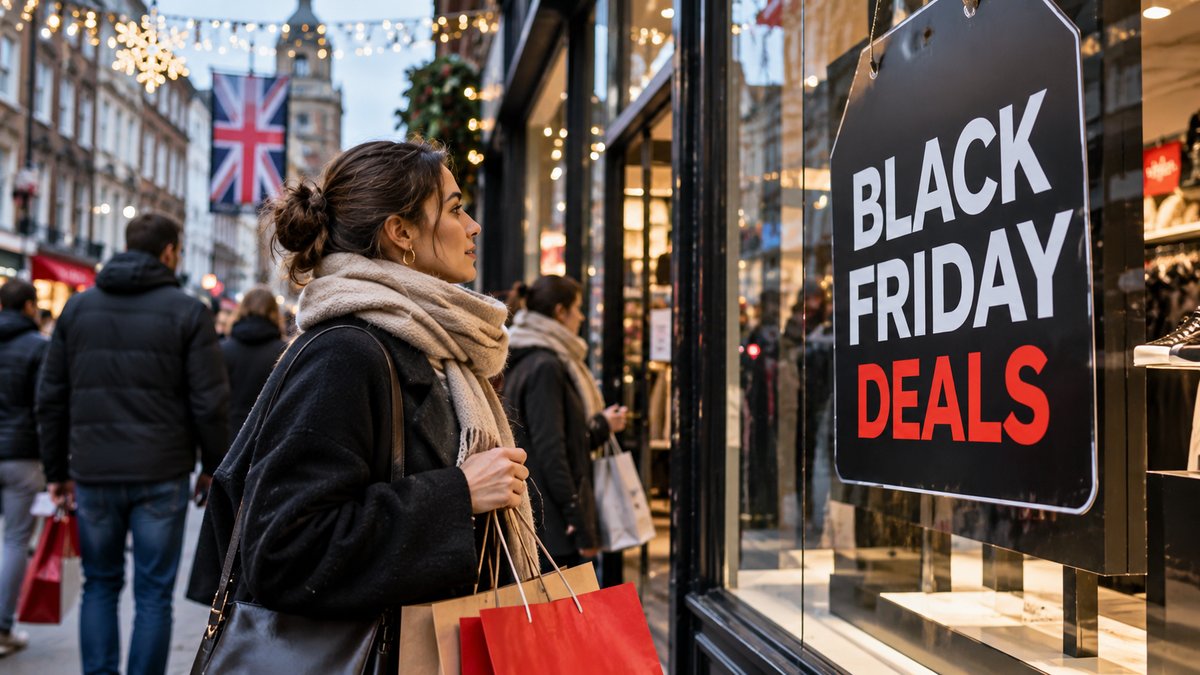
British shoppers are expected to spend £6.6 billion during Black Friday 2026, as renewed interest in seasonal discounts drives a recovery in retail spending despite continued pressure on household finances.
Research published by PwC UK on 20 November suggests that expenditure during this year’s shopping event could reach its highest level since 2022.
With Black Friday falling on 27 November, retailers are preparing for increased demand across technology, fashion, beauty and Christmas gifts.
Black Friday Spending Recovers After Last Year’s Decline
The forecast represents an estimated 40% increase in expenditure compared with 2025, when shoppers spent approximately £4.6 billion.
Participation is also expected to recover, with 53% of consumers expressing interest in the event, compared with 46% last year. Those taking part anticipate spending an average of £235.
Although the figures indicate renewed demand, projected spending remains below the £7.9 billion recorded in 2019.
PwC’s research was conducted among a nationally representative sample of 2,000 adults between 27 and 30 October 2026. The figures represent anticipated expenditure rather than confirmed retail sales.
Fashion and Beauty Gain Ground
Electronics remain the most popular product category, attracting interest from 44% of prospective shoppers. Clothing follows closely at 41%, while beauty and personal care products appeal to 30%.
For consumers considering winter clothing purchases, seasonal discounts offer an opportunity to replace worn garments or purchase items that have previously been outside their budget.
However, a discounted item does not necessarily represent good value if it duplicates something already owned.
Reviewing and decluttering your wardrobe before winter can help identify practical clothing needs before browsing promotional offers.
The growing interest in fashion and beauty also demonstrates how Black Friday has developed beyond its traditional association with televisions, computers and other electronic devices.
Online Shopping Remains the Preferred Choice
Around four-fifths of anticipated Black Friday expenditure will take place through online shopping and collection services, according to PwC.
Physical stores nevertheless remain attractive to younger consumers, who are more inclined than the wider population to make purchases in person.
Shopping online allows consumers to compare prices across different retailers without travelling between stores. However, delivery charges, return conditions and product availability can affect the overall value of an offer.
Physical shops offer different advantages, particularly when customers want to examine clothing, assess product quality or try items before committing to a purchase.
For households planning larger purchases, combining online research with an in-store visit may provide a clearer understanding of the available options.
Household Budgets Remain Under Pressure
The anticipated recovery in seasonal spending comes against a less favourable economic backdrop.
PwC’s consumer sentiment measure fell from positive one in August to minus 22 at the end of October, indicating a deterioration in confidence ahead of the festive period.
Households must balance discretionary purchases with essential expenditure, including groceries, energy, housing and transport.
This makes the difference between an advertised saving and an affordable purchase particularly important.
A household may benefit from purchasing an essential appliance at a reduced price, for example, but an unexpected purchase can create additional financial pressure even when it carries a substantial discount.
Setting an overall spending limit before the sales begin can help consumers manage competing priorities.
Christmas Shopping Influences Purchasing Decisions
Black Friday takes place less than a month before Christmas, making it an important date for households preparing for festive celebrations.
Shopping earlier can help spread the practical demands of the festive season, particularly for families arranging gifts for several people.
However, purchasing presents during promotional events requires consideration of delivery deadlines, gift suitability and return arrangements.
Second-hand products may also offer an alternative to buying everything new. Lifeinism’s guide to shopping for second-hand clothes without wasting money explores practical ways to assess quality and affordability.
Comparing new and pre-owned options can be particularly useful when shopping for clothing, accessories and other lifestyle products.
Making Informed Decisions During Seasonal Sales
Consumers preparing for Black Friday can benefit from researching products before promotional campaigns intensify.
Checking previous prices, comparing equivalent models and reviewing independent product information can help distinguish genuine savings from offers that appear attractive primarily because of their presentation.
The total purchase price should include delivery costs and any additional expenses associated with using or maintaining the product.
Shoppers considering instalment payments should also assess whether future repayments will remain manageable alongside regular household commitments.
Choosing not to participate in the event remains a reasonable decision for households without planned purchases.
Retailers Face an Uncertain Start to 2027
While renewed Black Friday demand could support retailers during the Christmas shopping period, PwC has highlighted the possibility of weaker trading conditions in the new year.
The contrast between anticipated festive expenditure and declining consumer confidence suggests that businesses may face changing purchasing behaviour after Christmas.
For consumers, Black Friday presents an opportunity to make planned purchases at competitive prices, but the longer-term household budget remains an important consideration.
Whether the projected recovery translates into actual retail sales will become clearer once the promotional period concludes.
Source: PwC UK consumer research, published 20 November 2026.